
Why most influencer marketing strategies fail in the first 90 days
.webp)

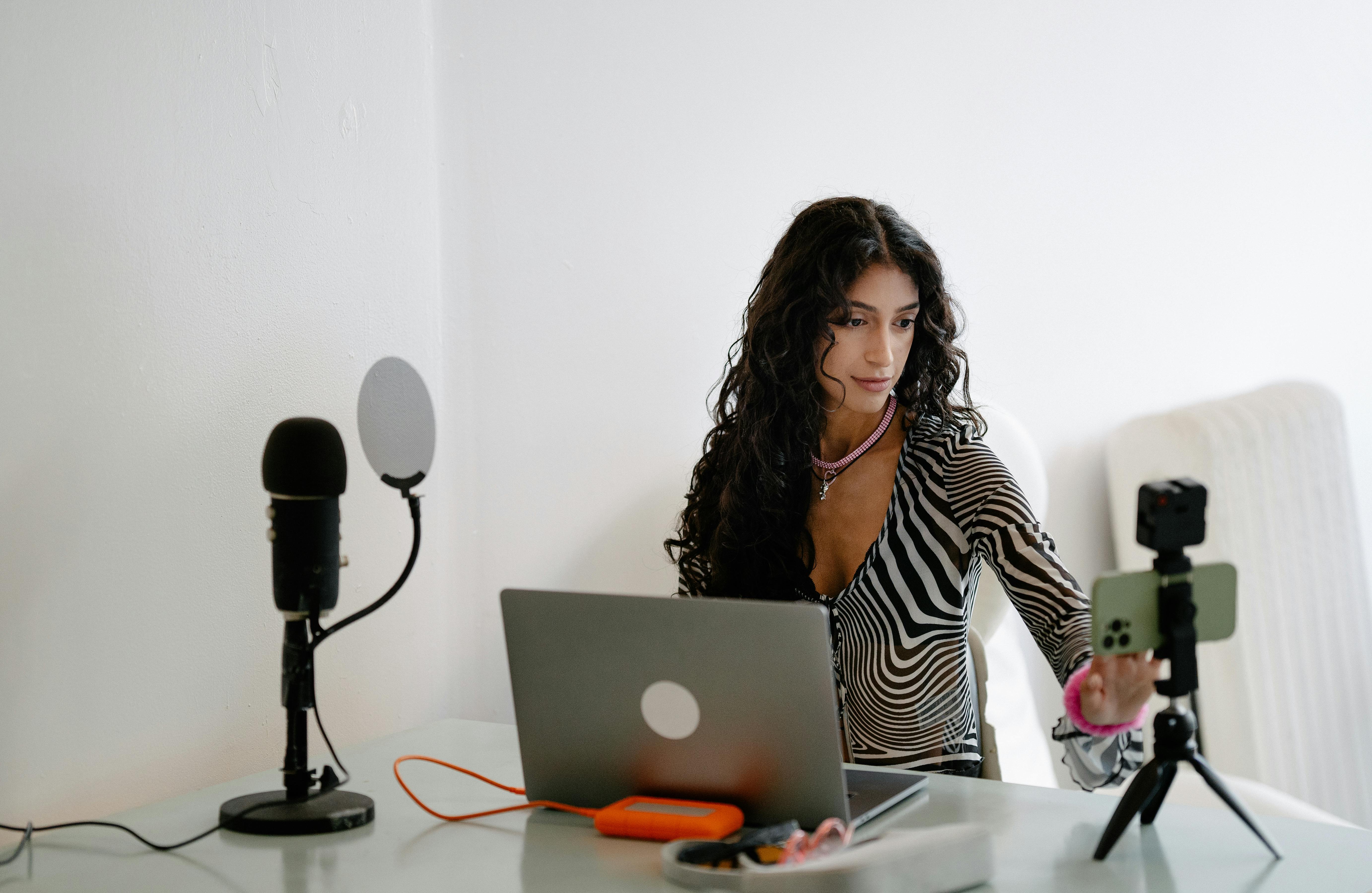
Most influencer programmes don't die because the channel doesn't work. They die in a budget meeting around day 75, when someone asks "what did we get for the spend?" and the answer is a screenshot of likes. The campaign ran. The content was fine. Nobody can prove anything happened. That's not a creator problem — it's a setup problem, and it was decided in week one.
The most common influencer marketing failure reasons are measurable and avoidable: no single success metric, no attribution from day one, paying for follower count instead of audience fit, judging the channel before it has enough data, and briefing creators like a production agency. Fix those five and the first 90 days become a test you can learn from instead of a write-off you have to defend.
What are the most common influencer marketing failure reasons?
Five recur across almost every failed first quarter: no agreed metric, no attribution, wrong creator selection, premature judgement, and over-controlled briefs.
The metric problem comes first because it poisons everything downstream. A programme launched to "build awareness and drive sales and generate content" will be judged on whichever of those three looks worst in month two. Pick one number before the first creator is briefed — cost per usable content asset, or cost per acquisition. Not both. We've seen the single-metric rule covered in our beginner's guide to influencer marketing in 2026, and it's the cheapest fix on this list.
Attribution is the second killer. If creators go live without unique UTM links or codes, you've committed to arguing from vibes in the quarterly review. Retro-fitting tracking in week ten doesn't work — the traffic already happened, unlabelled.
Creator selection fails when teams buy reach instead of overlap. A creator with 200,000 followers and 2% relevance to your buyer loses to a creator with 12,000 followers and 60% overlap, every time, on any metric that involves money. Recruitment method matters here too — we've broken down why in inbound vs outbound influencer marketing.
How do I measure success in the first 90 days?
Track one primary metric weekly, with a 60-day floor before any verdict. Early engagement data is noise; cost-per-outcome data needs volume.
A realistic 90-day measurement plan looks like this. Weeks 1-4: recruitment and briefing — measure nothing except creator response rate. Weeks 4-8: first content live — log every asset, every link click, every code redemption, but draw no conclusions. Weeks 8-12: enough volume to compare creators against each other. The comparison is the point. You're not asking "did influencer marketing work?" in quarter one. You're asking "which creator profile and content angle works for us?" Industry benchmark surveys, including Influencer Marketing Hub's annual benchmark report, consistently find that brands running always-on programmes report better returns than one-off campaigners — and always-on programmes only survive when the first quarter is framed as calibration, not verdict.
What's the cost of getting it wrong?
The direct cost is a quarter of wasted creator fees. The bigger cost is organisational: a failed first programme typically locks the channel out of budget conversations for a year or more.
That second cost is why the first 90 days deserve disproportionate care. Finance doesn't distinguish between "the channel failed" and "we ran it badly." Once the channel is labelled unproven, every future proposal starts from behind. Run the first quarter small, instrumented, and honest — 10-15 creators, one metric, full attribution — and even a mediocre result reads as a useful test rather than a failure.
How long does it take to see results from influencer marketing?
First reliable signal at 60-90 days. Repeatable, defensible returns at 6-9 months. Anyone promising conversions in a fortnight is selling reach, not revenue.
The 90-day failure pattern and the results timeline are the same fact viewed from two angles. Programmes get killed at day 75 because that's precisely when spend is fully committed but compounding hasn't started. Re-booked creators produce better content because they know the product. Briefs improve because you know what converts. None of that exists in month two. Set the expectation in writing before launch: day 90 is a checkpoint for creator-level decisions, not a go/no-go on the channel.
How do I get started without repeating these mistakes?
Write three documents before briefing anyone: a one-page buyer persona, a brief template that states the problem rather than the shot list, and a tracking sheet with a UTM convention. Then recruit 10-15 creators whose audience overlaps the persona.
The brief deserves the most attention. If it includes mandatory phrases and a storyboard, you're commissioning adverts with extra steps — and they'll perform like adverts. Give creators the product, the problem it solves, and the one claim they must not make. Their audience follows them for their voice, not yours. If you'd rather creators come to you already interested, an inbound model flips the recruitment work — here's what inbound influencer marketing is and why it outperforms outreach.
A worked example: the day-75 meeting, run twice
Picture a UK supplements brand spending £15K on its first creator quarter. Version one: 8 creators picked by follower count, briefed with a script, no tracking links. Day 75: marketing shows reach figures, finance shows flat revenue, programme cancelled. Version two, same budget: 14 micro creators picked by audience overlap, open briefs, unique codes from day one. Day 75: 4 creators drive 80% of redemptions, cost per acquisition is visible and trending down, and the Q2 plan writes itself — cut the bottom half, re-book the winners. Same channel, same spend. The difference was decided before launch.
FAQ
What are common mistakes with influencer marketing failure reasons?The five that recur: no single success metric, no attribution from day one, selecting creators on follower count rather than audience overlap, judging the channel before 60 days of live data, and over-controlled briefs that produce content audiences scroll past.
How do I measure success with influencer marketing?Pick one primary metric — cost per usable asset or cost per acquisition — track it weekly, and make no channel-level verdict before day 60. First-quarter measurement compares creators against each other, not the channel against expectations.
How long does it take to see results from influencer marketing?First meaningful signal in 60-90 days, repeatable returns in 6-9 months. Compounding starts when re-booked creators and refined briefs feed each other.
How do I get started with influencer marketing?Three documents before anything else: a one-page persona, an open brief template, and a tracking sheet with UTM conventions. Then 10-15 micro creators, one platform, one metric.
If you want the recruitment and attribution pieces handled in one place, Bulba's inbound creator engine puts 51,000+ verified creators, briefing, chat, and tracking in a single flow — or book a 30-minute call and we'll walk through your first-quarter plan.




.png)