
The 5-step framework for launching your first creator campaign
.webp)

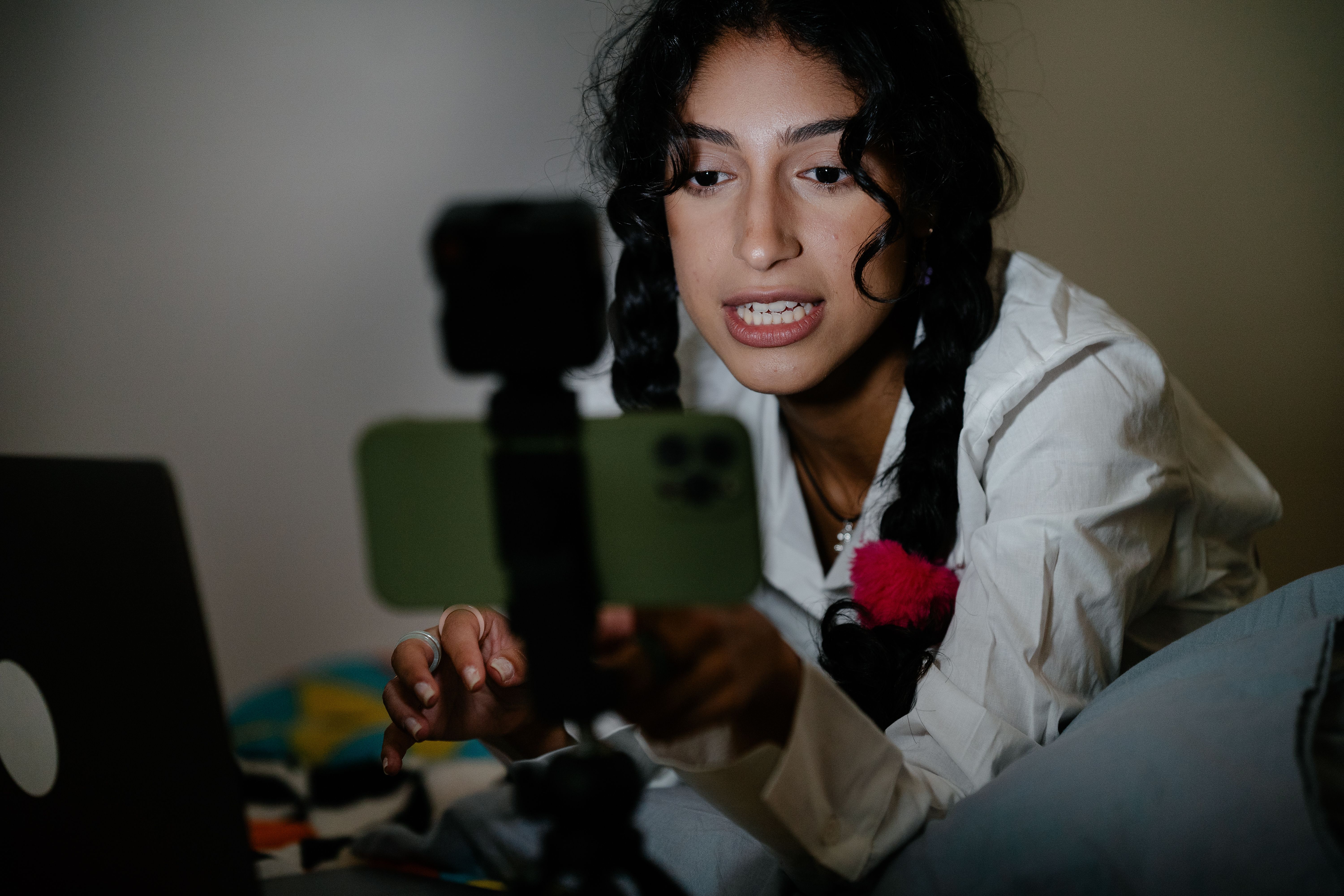
The first time most brands run a creator campaign, they pick someone with a big following, send over some product, and wait. Occasionally it works. More often, the content lands flat, the tracking doesn't exist, and no one can answer the question: did this actually do anything?
Your first influencer campaign doesn't need to be complicated. It needs to be structured. This framework covers exactly what to do — and what to skip — when you're starting from zero.
What is a first influencer campaign?
A first influencer campaign is your initial structured collaboration with one or more creators to produce content that reaches a defined audience and drives a specific outcome — whether that's brand awareness, UGC assets, website traffic, or direct sales. The "first" part matters because the goal isn't to scale yet. It's to learn.
How do I implement a first influencer campaign?
Five steps. Run them in order; don't skip ahead to creator sourcing before you've done steps one and two.
Step 1: Define the one thing you want this campaign to do
Not three things. One.
The most common mistake in a first campaign is trying to build brand awareness, generate UGC, and drive conversions simultaneously with a £2,000 budget and three creators. You'll measure nothing properly, and nothing will perform particularly well.
Pick one: Awareness (reach new audiences in your target demographic), UGC (collect content you can repurpose in paid ads, email, and your site), or Conversion (drive clicks and purchases with UTM-tracked creator links). Each objective shapes the creator tier you select, the brief you write, the content format you request, and how you measure success.
Step 2: Set a realistic budget and creator tier
For a first campaign, nano creators (1K–10K followers) and micro creators (10K–100K followers) are where you should start — not because macro creators don't work, but because you're not ready to spend £5,000–£20,000 per post before you know what content resonates with your audience.
A practical starting point: 5–10 nano or micro creators, product-for-content or a modest fee (£100–£500 per creator depending on deliverables). That gives you enough content volume to identify patterns without overcommitting budget to creators you've never worked with.
Bulba connects brands to 51,000+ verified creators, with 35,000+ collaborations already completed — so you're not starting from a cold list.
Step 3: Write a brief that actually answers creator questions
Creators receive a lot of briefs. The ones they ignore lead with a 600-word brand manifesto and end with "we just want you to be authentic." The ones they respond to are tight, specific, and respectful of their creative judgment.
A solid brief has six elements: campaign context (two sentences max), deliverable spec (exact format, duration, platform), key message (the one claim you want viewers to walk away with), mandatory inclusions (brand name, disclosures, link or code), tone and style (describe with examples, not adjectives like "authentic"), and deadlines (submission date, go-live date, exclusivity window).
Leave the creative execution to the creator. Brief the outcome, not the shot list.
Step 4: Activate and track properly from day one
Before any creator goes live, you need: UTM links per creator (so you can see traffic and conversion by creator, not just in aggregate), a unique discount code if you're running a conversion-focused campaign (your most reliable attribution signal), and a content approval window (ideally 48 hours to review content before it posts).
When content goes live, download it immediately. Instagram and TikTok content disappears or loses quality over time, and you want the originals for your UGC library and paid ads.
Step 5: Measure, cut, repeat
After the campaign, pull three numbers per creator: engagement rate ((likes + comments + saves + shares) / reach — benchmark for micro creators: 3–6%), click-through rate (clicks on your link or code redemptions relative to reach), and content quality score (subjective but important: would you run this as a paid ad? Rate 1–5).
Cut anyone scoring below your benchmarks on all three dimensions. Double the brief investment for your top performers and invite them back. This is the repeat mechanism that turns a one-off campaign into a recurring content programme.
What's the best approach to a first influencer campaign?
Start inbound, not outbound. Rather than spending days searching for creators who might be interested in your product, set up a page where creators can apply to work with you. The ones who apply are self-selected — they already know your product or are genuinely interested in your category. That changes the quality of every interaction downstream.
Bulba's inbound creator engine is built for this. Brands that run inbound-first campaigns report higher content quality and fewer brief revisions because the creator is already bought in before the brief lands.
What tools do I need for a first influencer campaign?
You don't need a stack of twelve tools. You need: a creator sourcing and CRM tool, a brief template (a document you can copy and customise per campaign), a UTM builder (Google's free tool works fine), and a shared content library (Google Drive at this stage; migrate once you're producing 50+ pieces monthly).
The brands that overcomplicate their first campaign with reporting dashboards and third-party tracking tools before they've found a single creator that converts are the same brands that declare "influencer marketing doesn't work" six months later.
How long does a first influencer campaign take to work?
Brief to live content: 2–4 weeks is realistic for nano/micro creators.
To meaningful data: 30 days after go-live. Most creator posts see 80% of their engagement in the first 48 hours, but the trailing week matters too.
Overall campaign assessment: 6–8 weeks post-launch. By then you'll have engagement data, click data, and enough time to see whether UTM-driven traffic converted.
Don't make decisions about creator marketing based on a single campaign. One campaign is a data point. Three campaigns is a pattern.
Why is a first influencer campaign important for brands?
Because every brand eventually learns one thing: creator content outperforms brand-produced creative at scale. Meta's research on creator ads consistently shows higher click-through rates for creator-native content compared to studio-produced assets.
But you can't access that advantage without starting. The first campaign is where you build your creator roster, your brief templates, your measurement framework, and your UGC library — all of which compound in value over time.
The brand that starts in January with 5 creators and iterates monthly has a significant structural advantage over the brand that spends January to June planning their influencer strategy.
What are common mistakes with a first influencer campaign?
Picking creators based on follower count. A creator with 8,500 followers and an 11% engagement rate in your exact target demographic is worth more to your first campaign than one with 250,000 followers and 0.3%.
Not tracking properly. If you can't answer "which creator drove the most conversions," you've wasted the data the campaign generated. UTM links and discount codes take 20 minutes to set up.
Writing a brief that controls the creative. Brands that prescribe shot angles, dialogue, and backgrounds consistently get worse-performing content than brands that brief the outcome and trust the creator.
Doing one campaign and stopping. The first campaign almost never produces your best content. The patterns that emerge from campaign one are what make campaign two significantly more effective.
FAQ
What is a first influencer campaign? Your initial structured collaboration with creators to produce content for a defined objective — awareness, UGC generation, or direct conversion — with proper tracking in place.
How do I start a first influencer campaign? Define one clear objective, set a realistic budget for nano or micro creators, write a tight brief, activate with UTM tracking, and measure three numbers per creator post-campaign.
How long does a first influencer campaign take? 2–4 weeks from brief to live content; 6–8 weeks to meaningful performance data.
What tools do I need? A creator sourcing tool or CRM, a brief template, a UTM builder, and a shared content library. Don't over-engineer it before you've validated your first campaign.
What's the biggest mistake brands make? Choosing creators by follower count and not setting up proper attribution tracking. Both mistakes mean you can't learn anything useful from the campaign.
If you want to run your first campaign through Bulba, the setup takes about an afternoon. Book a 30-minute call and we'll walk through it with you.
See also: What is inbound influencer marketing and why it outperforms outreach | How to build a 12-month influencer marketing strategy from scratch | The complete beginner's guide to influencer marketing in 2026



.png)